
Identity fraud is rising in online university admissions. Learn how ID verification protects institutions and ensures trusted student enrollment.
University admissions are undergoing a major digital transformation. From online applications and virtual interviews to remote entrance exams and digital onboarding, higher education institutions are increasingly relying on technology to reach a global student population. While this shift offers convenience, scalability, and accessibility, it also introduces significant risks—most notably, identity fraud in university admissions.
Identity fraud, impersonation, and document manipulation are no longer isolated incidents. They have become persistent challenges for universities worldwide. Without strong and reliable identity verification processes, institutions risk admitting unverified or fraudulent applicants, undermining academic integrity, and damaging institutional reputation.
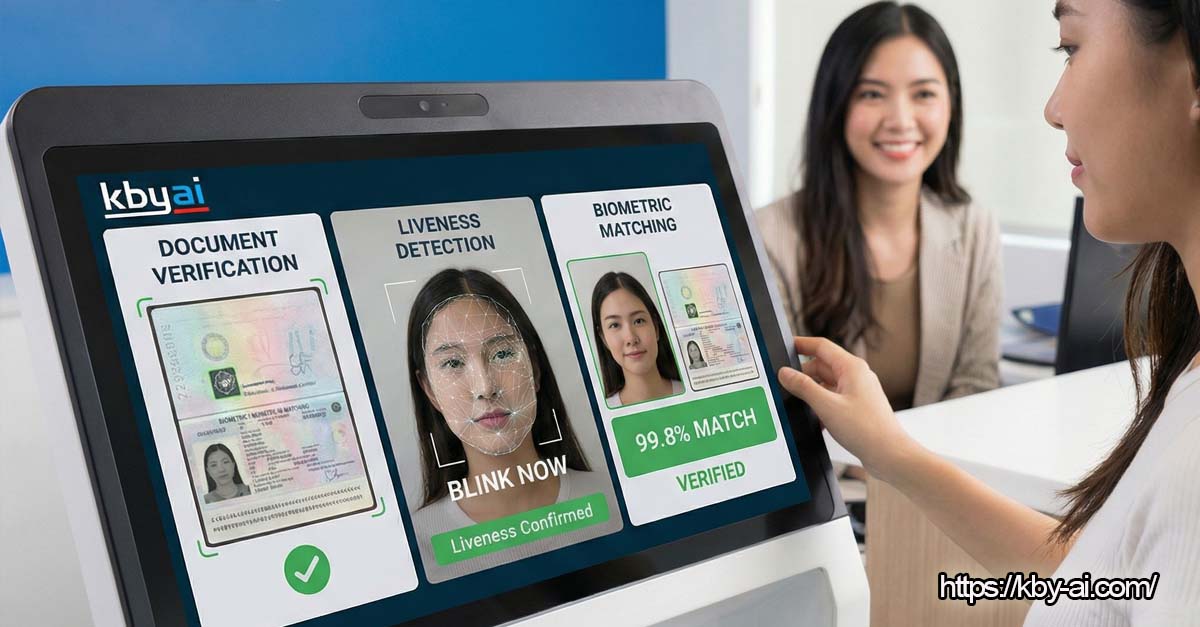
This is where ID verification for university admissions plays a critical role. By leveraging modern technologies such as document authentication, biometric matching, and liveness detection, universities can protect their admissions processes while maintaining a seamless experience for genuine applicants.
In this comprehensive guide, you will learn:
-
How identity fraud affects university admissions
-
Why traditional admissions checks are no longer sufficient
-
How ID verification prevents identity fraud at every stage of admissions
-
Real-world use cases of ID verification in higher education
-
Key benefits for universities and admissions teams
-
What to consider when implementing an ID verification system
-
How institutions can get started with secure student identity verification for identity fraud
The Growing Identity Fraud Problem in University Admissions
Why Universities Are Prime Targets for Identity Fraud
Universities manage vast amounts of sensitive information, including personal data, academic records, financial details, and government-issued identity documents. This makes them attractive targets for fraudsters looking to exploit weaknesses in digital systems.
As online admissions become the norm, identity verification without in-person interaction has become increasingly difficult. Fraudsters can apply from anywhere in the world, using stolen identities, fake documents, or third-party impersonators. Without proper safeguards, these applications can easily slip through traditional verification processes.

Common Types of Identity Fraud in University Admissions
Universities today face a wide range of identity-related threats during admissions and enrollment. The most common include:
1. Applicant Impersonation
Individuals apply under someone else’s identity, often using stolen personal information or purchased credentials.
2. Fake or Altered Identity Documents
Fraudsters submit forged passports, national IDs, or residency permits that appear legitimate during manual review.
3. Proxy Applications and Enrollment Misuse
Third parties complete applications, entrance exams, interviews, or onboarding steps on behalf of applicants.
4. Exam and Assessment Fraud
Unverified students or impostors sit for online exams, compromising academic integrity.
5. Credential Fraud
Fraudulent identities are used to obtain degrees or certificates, which later surface in employment or regulatory identity fraud checks.
The Long-Term Impact of Identity Fraud on Universities
Identity fraud in admissions has consequences far beyond the initial application decision. When unverified students are admitted, institutions may face:
-
Invalid academic credentials
-
Legal and regulatory scrutiny
-
Loss of accreditation credibility
-
Financial losses related to tuition disputes or refunds
-
Reputational damage that affects future enrollment
-
Erosion of trust among students, faculty, employers, and partners
Over time, repeated incidents of identity fraud can severely undermine an institution’s standing in the global education ecosystem.
What Is ID Verification in Higher Education?
Defining ID Verification for University Admissions
ID verification in higher education is the process of confirming that an applicant is genuinely who they claim to be. It involves validating government-issued identity documents and verifying that the individual presenting them matches the document owner.
In modern admissions workflows, ID verification is typically conducted digitally and remotely, enabling institutions to verify applicants regardless of location.
Core Components of Digital ID Verification
A comprehensive ID verification process for universities includes:
-
Identity document verification
-
Biometric verification, such as facial recognition
-
Liveness detection to confirm physical presence
-
Secure data handling and compliance
Together, these components create a trusted digital identity for each applicant, which can be used throughout the student lifecycle—from admissions and enrollment to exams and degree issuance.
Why Digital Identity Matters in Higher Education
Digital identity fraud verification allows universities to move beyond fragmented, manual checks and establish a single, trusted identity for each student. This improves security, reduces fraud, and creates a consistent foundation for all academic and administrative processes.
Why Traditional Admission Checks No Longer Work
Despite the rapid digitization of admissions, many universities still rely on outdated identity verification methods. These traditional approaches are no longer effective in today’s global and remote admissions environment.
Limitations of Manual Document Review
Manual verification processes depend heavily on human judgment. Admissions staff are expected to:
-
Review documents from different countries
-
Identify forged or altered IDs
-
Detect inconsistencies across applications
This approach has several weaknesses:
-
High error rates due to fatigue or lack of specialized training
-
Inconsistent decisions across reviewers
-
Limited scalability during peak application periods
-
Difficulty detecting sophisticated forgeries
Fraudsters increasingly use high-quality counterfeit documents that can easily bypass visual inspection.
Challenges of Remote Admissions
Remote admissions remove the opportunity for face-to-face verification. Without biometric or live checks, universities cannot be certain that:
-
The real applicant is present
-
The person submitting documents matches the identity
-
The same individual completes exams and interviews
This gap creates opportunities for impersonation and misuse that traditional systems cannot prevent.

How ID Verification Prevents Admission Fraud
Modern ID verification solutions address these challenges by combining automation, biometrics, and real-time verification. This multi-layered approach significantly reduces fraud risk before applicants reach enrollment.
Document Verification: Detecting Fake and Altered IDs
Document verification systems analyze identity documents to ensure authenticity. They examine:
-
Document format and layout
-
Security features such as holograms and MRZ codes
-
Data consistency across fields
-
Signs of tampering or digital alteration
By automatically validating documents against global standards, universities can detect fraudulent IDs early in the admissions process.
Liveness Detection: Confirming Physical Presence
Liveness detection ensures that the applicant is physically present during identity verification. It prevents fraud attempts that rely on:
-
Printed photos
-
Screens showing images or videos
-
Pre-recorded or manipulated media
Through active or passive liveness checks, the system confirms that a real human is interacting in real time.
Biometric Matching: Verifying the Applicant’s Identity
Biometric matching compares a live facial scan with the photo on an identity document. This confirms that the person applying is the rightful document holder.
To ensure accuracy and reliability, facial recognition systems are often evaluated using independent benchmarks such as the NIST Face Recognition Vendor Test (FRVT). These benchmarks measure performance under real-world conditions, including variations in lighting, pose, and image quality.
KBY-AI aligns its biometric matching approach with established testing principles, leveraging insights from 1:1 verification results to deliver consistent, accurate, and trustworthy identity verification for university admissions.
Real-Time Fraud Prevention
By combining document verification, liveness detection, and biometric matching, ID verification systems stop fraud before it reaches enrollment. Suspicious applications can be flagged automatically, allowing admissions teams to take action early.
Real-World Use Cases of ID Verification in University Admissions
Universities around the world are already using ID verification to strengthen admissions security while improving efficiency and accessibility.
Online Admissions Portals
ID verification can be integrated directly into online application portals, ensuring that applicants verify their identity before submitting applications.
International Student Onboarding
Remote ID verification allows universities to securely onboard international students without requiring in-person visits. This reduces fraud while supporting global recruitment.
Online Exams and Assessments
Biometric verification prevents impersonation during entrance exams, placement tests, and online assessments.
Enrollment and Registration
Verified identities ensure that only authorized students complete enrollment and access academic systems.
Credential and Degree Issuance
Linking academic records to verified identities prevents credential fraud and protects the value of degrees issued.
Benefits of ID Verification for Universities and Admissions Teams
Stronger Fraud Prevention
Early identity verification reduces impersonation, document fraud, and unauthorized enrollment. This protects academic integrity and institutional credibility.
Faster and More Efficient Admissions Processing
Automated verification reduces manual workloads and shortens review times. Admissions teams can focus on evaluating applicants rather than checking documents.
Improved Trust and Transparency
Verified identities increase confidence among students, faculty, employers, and accreditation bodies.
Scalable Admissions for Growing Institutions
ID verification systems scale easily as application volumes grow, allowing institutions to expand globally without increasing operational complexity.
Better Student Experience
Modern ID verification is fast and user-friendly, minimizing friction for genuine applicants while maintaining strong security.
Key Considerations When Implementing ID Verification Systems
Before adopting an ID verification solution, universities should carefully evaluate several factors.
Data Protection and Privacy Compliance
Compliance with regulations such as the General Data Protection Regulation (GDPR) is essential. Institutions must ensure secure data handling and storage.
Transparency and Student Trust
Universities should clearly communicate how identity data is collected, used, and protected.
Accessibility and Ease of Use
Verification processes should work seamlessly across devices, regions, and network conditions.
Integration with Existing Systems
ID verification should integrate smoothly with admissions platforms, student information systems, and learning management systems.
Industry Best Practices
Institutions can reference guidance from organizations such as EDUCAUSE, a leading authority on higher education technology, for best practices in digital identity and security.
Getting Started With ID Verification in University Admissions
The first step is identifying fraud risks within the admissions workflow and defining verification requirements. Universities should determine:
-
When identity verification should occur
-
Which documents and biometrics are required
-
How verification results are used across systems
KBY-AI offers a flexible ID verification platform designed for higher education. It supports secure admissions, remote student onboarding, and scalable identity checks tailored to modern university needs.
Institutions can also explore technical resources and implementation examples through the official KBY-AI GitHub repository, gaining insight into how secure student verification can be deployed efficiently.

Conclusion: Securing the Future of University Admissions
Identity fraud is an escalating threat in higher education. As admissions processes continue to move online, the risks associated with unverified applicants will only increase.
By adopting ID verification for university admissions, institutions can protect academic integrity, improve operational efficiency, and build long-term trust with students and stakeholders. Secure identity verification is no longer a nice-to-have—it is a foundational requirement for modern, digital-first universities.
Frequently Asked Questions (FAQ)
What is ID verification in university admissions?
It is the process of confirming an applicant’s identity using document authentication and biometric checks.
How does ID verification prevent identity fraud?
It detects impersonation, fake documents, and unauthorized applicants before enrollment.
Is ID verification required for online admissions?
It is not always mandatory, but it is strongly recommended to reduce fraud risks.
What is liveness detection?
It ensures the applicant is physically present during identity verification.
Can international students be verified remotely?
Yes, ID verification supports secure remote verification for international applicants.