
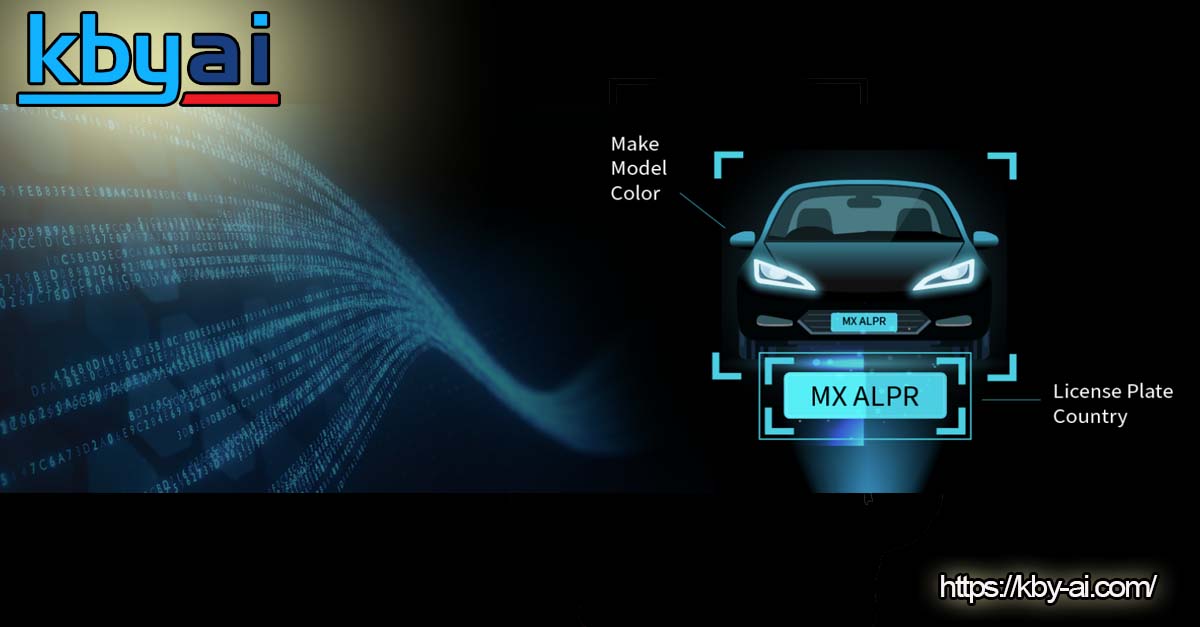
By combining optical character recognition (OCR), deep learning, and advanced image processing, modern LPR apps can accurately read and interpret license plates using nothing more than a smartphone camera. From parking enforcement and toll collection to vehicle tracking and law enforcement, mobile LPR solutions are driving a major shift in vehicle identification and management.
In this comprehensive guide, we’ll explore how license plate recognition apps work, their real-world applications, key features, benefits, privacy considerations, and why they are becoming essential tools on both iOS and Android platforms.
What Is License Plate Recognition (LPR)?
License Plate Recognition (LPR), also known as Automatic License Plate Recognition (ALPR), is a technology that identifies vehicles by capturing and analyzing images of license plates. Using OCR and artificial intelligence, LPR systems extract plate numbers from images or video streams and convert them into machine-readable text.
Modern LPR apps can:
-
Recognize plates from different countries and formats
-
Work in real time
-
Process images in challenging conditions (low light, motion blur, angled plates)
-
Integrate with external databases for vehicle information
With mobile LPR, this powerful capability is now available directly on smartphones—making vehicle identification more accessible than ever.
How Mobile License Plate Recognition Apps Work
At a high level, a license plate recognition app follows these steps:
-
Image Capture
The app uses a smartphone camera or connected LPR camera to capture an image of a vehicle’s license plate. -
Image Processing
Advanced algorithms enhance the image by adjusting brightness, contrast, and sharpness to improve readability. -
Plate Detection & OCR
AI-powered OCR detects the license plate region and extracts the alphanumeric characters. -
Data Validation
The extracted plate number is validated against regional formats and databases. -
Information Retrieval
The app can retrieve vehicle details such as make, model, color, registration status, and even vehicle history through integrations like Carfax. -
Action or Automation
Based on predefined rules, the system can trigger alerts, log entries, grant access, issue violations, or process payments.
This seamless process happens in seconds—often in real time.
Key Applications of License Plate Recognition Technology
License plate recognition apps are now widely used across multiple sectors due to their accuracy, speed, and scalability.
1. Traffic Management Systems
One of the most impactful uses of LPR technology is in traffic management. By installing cameras equipped with LPR software along roads and intersections, authorities can monitor traffic flow and detect violations automatically.
Common use cases include:
-
Speed enforcement
-
Red-light violation detection
-
Traffic congestion analysis
-
Accident investigation
These systems help improve road safety while reducing the need for manual monitoring.
2. Law Enforcement & Public Safety
Law enforcement agencies increasingly rely on license plate recognition apps to enhance public safety. Mobile LPR allows officers to scan plates instantly and compare them against databases of:
-
Stolen vehicles
-
Wanted suspects
-
Expired registrations
-
Outstanding warrants
When a match is detected, officers receive real-time alerts, enabling faster response times and more efficient policing.
3. Parking Management & Enforcement
Parking facilities have embraced LPR technology to eliminate manual ticketing and streamline operations.
With a license plate recognition app, parking operators can:
-
Automate vehicle entry and exit
-
Enforce parking time limits
-
Identify unauthorized vehicles
-
Reduce staffing costs
-
Improve customer experience
Instead of physical tickets or access cards, the license plate itself becomes the access credential.
4. Toll Collection Systems
Traditional toll booths often cause congestion and delays. Mobile LPR apps enable cashless, free-flow toll collection by automatically identifying vehicles as they pass through toll points.
Benefits include:
-
Reduced traffic congestion
-
Faster throughput
-
Lower operational costs
-
Seamless digital payments
Drivers can link their license plate to a payment method, allowing tolls to be deducted automatically without stopping.
5. Vehicle Tracking & Fleet Management
License plate recognition apps are powerful tools for fleet tracking and logistics optimization.
Fleet operators can:
-
Monitor vehicle movements in real time
-
Optimize delivery routes
-
Reduce fuel costs
-
Improve asset utilization
-
Enhance security
For individual users, LPR apps can help locate stolen or lost vehicles and assist law enforcement during recovery efforts.
Benefits of Using a License Plate Recognition App
A mobile LPR app offers numerous advantages over traditional vehicle identification methods.
Real-Time Access to Vehicle Information
With instant plate recognition, users can access vehicle details immediately. This is critical for:
-
Security teams
-
Parking attendants
-
Law enforcement officers
-
Property managers
Fast access means faster decisions and improved safety.
Time Savings & Reduced Human Error
Manual data entry is slow and error-prone. License plate recognition apps automate the entire process, ensuring:
-
Higher accuracy
-
Faster processing
-
Consistent results
Automation significantly reduces operational overhead.
Remote Monitoring & Centralized Control
Most LPR apps offer cloud-based dashboards that allow users to monitor multiple locations remotely. This is especially useful for:
-
Large parking facilities
-
Multi-site businesses
-
Fleet operations
Alerts can be configured to notify users when specific vehicles enter or exit designated areas.
Task Automation & System Integration
License plate recognition apps can integrate with:
-
Access control systems
-
Parking management software
-
Toll payment platforms
-
Security databases
This integration enables seamless automation of workflows that were previously manual.
Core Features of a Modern License Plate Recognition App
Not all LPR apps are created equal. The best solutions offer a robust feature set designed for accuracy, flexibility, and ease of use.
Detailed Vehicle Information
By scanning a license plate, the app can retrieve:
-
Vehicle make and model
-
Color
-
Registration status
-
VIN-related data
-
Ownership history (via integrations)
This information is invaluable for enforcement, verification, and analysis.
Real-Time Recognition & Alerts
Instant recognition allows users to respond immediately to:
-
Security threats
-
Parking violations
-
Unauthorized access
-
Toll evasion
Real-time alerts improve responsiveness and efficiency.
Advanced Analytics & Reporting
Many LPR apps include analytics tools that allow users to:
-
Identify traffic patterns
-
Analyze peak parking hours
-
Track repeat visitors
-
Generate compliance reports
Data-driven insights help organizations make smarter decisions.
Easy-to-Use Interface
User experience matters. The best license plate recognition apps are designed with intuitive interfaces that require minimal training—even for non-technical users.
Customization & Flexibility
Users can customize:
-
Recognition zones
-
Vehicle categories
-
Time-based rules
-
Alert thresholds
This flexibility ensures the app adapts to specific operational needs.
Using License Plate Recognition Apps for Parking Enforcement
Parking enforcement is one of the most common and effective use cases for mobile LPR apps.
Instead of relying on physical patrols, enforcement officers can:
-
Scan multiple vehicles quickly
-
Identify violations automatically
-
Receive instant notifications
-
Issue citations digitally
The system compares scanned plates against a database of authorized vehicles and flags any violations, such as overstayed parking or restricted access.
Privacy Considerations in Parking Enforcement
Privacy is a critical concern when deploying LPR technology. Reputable apps follow strict protocols to ensure:
-
Secure data storage
-
Limited data retention
-
Compliance with local regulations
-
Responsible use of personal information
Choosing a privacy-compliant solution is essential.
Using License Plate Recognition Apps for Toll Collection
Mobile LPR has transformed toll collection into a fast, frictionless process.
Apps like Vertalpr allow:
-
Automatic plate capture
-
Integration with payment gateways
-
Free-flow toll lanes
-
Reduced congestion
Advanced image processing ensures accurate recognition even at high speeds or in poor lighting conditions.
For toll authorities, benefits include:
-
Real-time traffic monitoring
-
Improved revenue collection
-
Reduced infrastructure costs
Using License Plate Recognition Apps for Vehicle Tracking
Vehicle tracking is another area where LPR apps shine.
For fleet managers:
-
Monitor routes in real time
-
Improve delivery efficiency
-
Enhance driver accountability
For individuals:
-
Track stolen or lost vehicles
-
Access vehicle history reports
-
Receive real-time traffic updates
Many apps also integrate community-driven data, allowing users to report road hazards or incidents.
Privacy, Security, and Compliance
As LPR technology becomes more widespread, privacy and data protection are increasingly important.
A trustworthy license plate recognition app should:
-
Encrypt stored data
-
Limit access to authorized users
-
Comply with data protection laws
-
Clearly define data retention policies
Responsible implementation ensures trust and long-term adoption.
The Future of License Plate Recognition Apps
The future of mobile LPR technology looks promising. Advancements in AI, edge computing, and camera hardware will continue to improve:
-
Recognition accuracy
-
Processing speed
-
Scalability
-
Integration capabilities
As smart cities, connected vehicles, and automated infrastructure grow, license plate recognition apps will play a central role in modern mobility ecosystems.
Conclusion
License plate recognition apps are redefining how we manage, monitor, and interact with vehicles. From parking enforcement and toll collection to law enforcement and fleet management, mobile LPR solutions deliver unmatched efficiency, accuracy, and convenience.
By automating manual processes, reducing errors, and providing real-time insights, these apps help organizations save time, cut costs, and improve security.
Investing in a reliable license plate recognition app is an investment in smarter operations, better customer experiences, and future-ready infrastructure.
FAQ
Can license plate recognition apps be used by law enforcement?
Yes. They are widely used to identify stolen vehicles, monitor traffic violations, and enhance public safety.
How accurate are license plate recognition apps?
Modern apps achieve high accuracy, though conditions like poor lighting or obscured plates can affect results.
Are there privacy concerns?
Privacy concerns exist, but reputable apps follow strict data protection and compliance standards.
Can LPR apps integrate with existing systems?
Yes. Most solutions support integration with parking, tolling, and access control systems.
Are LPR apps only for commercial use?
No. They are useful for both businesses and individuals.
What devices are required?
Many apps work with standard smartphones, though dedicated cameras can improve performance.