

Today, a growing number of governments issue passports, national ID cards, and travel documents that contain embedded chips or store biometric data such as fingerprints, facial images, or iris patterns. These innovations are designed to strengthen security measures, minimize the risks of identity theft, and significantly reduce cases of document forgery and impersonation—issues that have grown more sophisticated over time.
However, the global landscape of biometric adoption is far from uniform. While some nations have been early leaders, rapidly deploying advanced biometric passports and fully digital identity systems, others remain in the early stages of experimentation or partial rollout. Factors such as economic capacity, regulatory readiness, political priorities, and technological infrastructure heavily influence how quickly and extensively a country integrates biometrics into its official documents.
In this article, we take a closer look at where biometric ID documents are currently being used, which types of biometric ID documents are most widely adopted, and which remain less common—and the reasons behind these trends.
We also examine the practical implications for businesses and service providers that rely on identity verification (IDV), including banks, fintech platforms, telecom operators, and online services. Understanding the varying levels of biometric adoption across regions can help companies better prepare their verification workflows, optimize user onboarding, and ensure compliance when processing customers from different parts of the world.
What are the Biometric ID Documents?
A biometric ID is any form of official identification that contains and stores biometric information unique to the individual, such as fingerprints, facial images, iris patterns, or other physiological characteristics. These identifiers allow the document to be matched to its rightful holder with a high degree of accuracy, making biometric IDs an increasingly important tool in modern identity management and security systems.
In real-world use, the most widespread biometric ID documents are biometric passports and national ID cards. These documents almost always include a secure electronic chip that holds the bearer’s biometric profile. In addition to these mainstream documents, several specialized credentials—such as residency permits for foreign nationals, seafarers’ identification cards, crew member certificates, and certain professional licenses—also feature embedded chips and digital security elements. These are designed to streamline border control, strengthen identity assurance, and comply with international travel or work regulations.
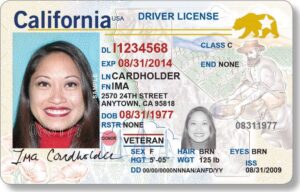
Interestingly, one category remains the exception rather than the rule: driver’s licenses. Although many countries have announced plans to modernize their licensing systems, only a relatively small number currently issue fully biometric driver’s licenses with embedded chips. In most regions, licenses remain optical-card based, relying solely on printed data and visual security features rather than digital ones.
From a technical perspective, a document is considered a biometric ID when it includes a combination of the following characteristics:
-
A secure electronic chip that supports RFID and/or NFC technology, allowing the stored biometric data to be read by authorized verification systems.
-
A “chip inside” symbol visible on the data page, cover, or front side of the document, indicating that electronic components are present.
-
Access mechanisms, such as a machine-readable zone (MRZ), barcode, or Card Access Number (CAN), which control how and when the chip can be accessed during verification.
-
A compliant facial image stored on the chip, enabling automated facial biometric matching and facilitating both in-person and remote identity verification.
These elements conform to a series of international and regional standards that ensure consistency, reliability, and interoperability across borders. Whether the ID is checked at an airport eGate, scanned at a government service desk, or verified through a remote digital onboarding process, these standards guarantee that the document behaves predictably and securely.
One of the foundational frameworks is ICAO’s Doc 9303, which defines the global specification for machine-readable travel documents (MRTDs). It outlines what kinds of biometric data can be stored, how the information must be formatted, which security layers must be applied to the chip, and how verification systems should interpret the data.
Additional relevant standards include:
-
ISO/IEC 39794, which specifies how facial images and other biometric modalities are formatted and stored on the chip, including updates that reflect modern image quality requirements.
-
ISO/IEC 18013, a multi-part standard that governs driver’s licenses, including electronic and mobile variants.
-
ISO/IEC 14443, which defines how contactless chips communicate with readers, including the technical parameters that ensure secure and stable data exchange.
In addition to these technical specifications, biometric ID verification depends heavily on Public Key Infrastructure (PKI). PKI provides the cryptographic backbone that allows verification systems to determine whether the chip data is authentic and has not been tampered with. Countries issue digital security certificates linked to their biometric IDs, and these certificates are shared internationally through the ICAO Public Key Directory (PKD) or other trusted exchange mechanisms. When an ID is scanned, these certificates help confirm that the stored data is valid and was signed by an official, trusted authority.
With this foundation in mind, the next step is to explore how biometric identity documents are currently used around the world—and which regions have adopted them most extensively.
Global Overview of Countries That Issue Biometric ID Documents
Biometric ID adoption looks very different from one region of the world to another—and even the way we measure adoption can vary. For instance, while roughly 170 countries now issue biometric passports as their standard travel document, only a relatively small number have taken the next step of implementing biometric driver’s licenses. Meanwhile, some nations still do not issue any form of biometric identity document at all, relying instead on traditional physical IDs without electronic chips or biometric components.
A number of interconnected factors explain why biometric identity documents progress unevenly across the globe:
• Technological readiness:
Launching a biometric ID program requires much more than printing a new type of passport or ID card. Countries must build or upgrade domestic systems capable of capturing biometric data, issuing secure credentials, and validating chip information. They also need to integrate with international infrastructures that support interoperability, such as chip-reading standards and global certificate exchange networks. Because of this complexity, modernization efforts can take years. A good example is Angola, which recently signed a 10-year agreement with a security printing provider to develop and deploy biometric passports—highlighting how long-term and resource-intensive such transitions often are.
• Financial and operational cost:
Implementing biometric IDs involves substantial investment. Governments must set up cryptographic infrastructure, establish or modernize national identity databases, and procure specialized equipment for enrollment, personalization, and verification. For many countries, especially those facing economic constraints, these initiatives are postponed or deprioritized. Sri Lanka illustrates this challenge well: although authorities began collecting biometric data from passport applicants as early as 2015, the country did not roll out its first fully biometric passport series until 2024—nearly a decade later.
• Public trust and privacy concerns:
In some regions, public skepticism presents a major hurdle. Citizens may worry about increased surveillance, government overreach, or the risks associated with storing sensitive biometric data in centralized databases. Data breaches further intensify these concerns. A notable case is El Salvador, where a large-scale breach exposed the personal information of over five million residents. Incidents like this make the public more cautious and can stall or completely halt national plans to adopt biometric identity documents. Interestingly, El Salvador still does not issue biometric IDs today.
• Regulatory maturity and legal frameworks:
Managing biometric identity systems responsibly requires comprehensive and up-to-date data protection regulations. Not all countries have the legal infrastructure needed to safeguard biometric data appropriately, and those that do often need to revise their regulations regularly to keep up with technological developments. India is a strong example: while the Aadhaar system has been operational for many years and is one of the largest biometric ID programs in the world, the government recently introduced the Digital Personal Data Protection (DPDP) Rules to reinforce privacy protections and align the system more closely with international standards such as GDPR.
Taken together, these factors illustrate why biometric ID adoption evolves at different speeds worldwide. With this context in mind, we can now look more closely at where biometric identity documents are currently used and which regions have adopted them most extensively.
Europe
Biometric ID adoption rate: High
Number of countries in the region: 45
| Type of ID | Number of countries issuing them |
|---|---|
| Biometric passports | 45 |
| Biometric national ID cards | 37 |
Europe is one of the most advanced regions in the world when it comes to adopting biometric identity documents. Nearly all countries across the continent issue biometric passports, and the majority also provide biometric national identity cards. Many member states of the European Union were early movers in this space. Germany, for example, was among the first to roll out biometric passports, and large-scale production of EU-standard biometric passports began in the early 2000s. The introduction of biometric national ID cards followed in the 2010s as regional security standards evolved and digital transformation strategies expanded.
By contrast, biometric driver’s licenses remain rare across Europe. At the moment, only the Netherlands issues a fully biometric version, making it an exception within the region. Most European driver’s licenses are still chipless physical cards, even though the regulatory groundwork exists for wider adoption in the future.
When it comes to national ID cards, Europe shows broad but not universal coverage. Countries that issue biometric identity cards include almost every state except North Macedonia, Serbia, and Switzerland. Switzerland, however, has announced plans to introduce electronic national identity cards by the end of 2026, which will significantly expand biometric coverage. A few states—such as Andorra, Denmark, and the United Kingdom—do not issue national identity cards at all, relying instead on passports or alternative documents for identity verification.
Beyond physical identity documents, Europe is actively building a cohesive digital identity framework. EU countries are implementing and refining initiatives like eIDAS (the electronic Identification, Authentication and Trust Services regulation) and the European Digital Identity Wallet. These efforts aim to create a harmonized, interoperable ecosystem that allows citizens, businesses, and public institutions to use secure digital identities across borders. Once fully deployed, this digital infrastructure will enable streamlined online authentication, simplified access to public and private services, and more efficient cross-border transactions throughout the European Union.
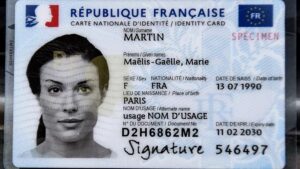
Overall, Europe’s approach to biometric and digital identity reflects a strong regional commitment to security, interoperability, and the modernization of identity systems.
Asia
Biometric ID adoption rate: Low to Middle
Countries in the region: 52
| Type of ID | Number of countries issuing them |
|---|---|
| Biometric passports | 47 |
| Biometric national ID cards | Only a few issue cards with non-standard or limited-access chips |
Asia is a region defined by extraordinary diversity—economically, politically, and culturally. It is home to several of the world’s most populous nations, including China, India, Bangladesh, and Indonesia. Because of this scale and diversity, biometric ID adoption across Asia varies more widely than in any other global region.
On the travel-document side, many Asian countries issue ICAO-compliant biometric passports. Nations such as Japan, Laos, and the Philippines have fully integrated biometric passports into their national identity systems. However, there are still exceptions; countries like Afghanistan, Bhutan, and Myanmar have either not yet transitioned to biometric passports or issue only partially compliant versions.
When it comes to national identity cards, the picture becomes even more mixed. Although domestic ID cards are standard in 48 of the 52 Asian countries, only a small number use biometric chips that align with international standards. In many places, identity cards are mandatory, but they rely primarily on printed data rather than secure embedded chips. The limited adoption of biometric ID cards can be attributed to several factors, including the massive administrative burden of collecting and managing biometric data for hundreds of millions of citizens, as well as the complexities of ensuring accuracy in regions with large ethnic, linguistic, and demographic diversity.
Another important nuance is that in some countries, even where biometric data exists within domestic ID systems, the data is not accessible to third-party verifiers. China provides a clear example. The country issues different types of national ID cards for various ethnic groups, including Mongols, Tibetans, and Koreans. These cards contain bilingual text and specialized encoding, but they can be fully read only by authorized Chinese authorities using state-controlled readers. This limitation also applies to Chinese biometric passports: although they contain chips, the data is inaccessible to verification systems outside of tightly controlled government infrastructure. As a result, global interoperability—and external document validation—remains limited.
On the digital identity front, Asia shows pockets of rapid advancement. Countries like Singapore and China have already developed robust digital ID ecosystems that support online authentication, access to public services, and integration with mobile devices. Meanwhile, others—such as Pakistan—are actively transitioning toward digital identity frameworks, combining national ID systems with modern digital platforms to improve service delivery and security.
Overall, biometric ID adoption in Asia is characterized by significant progress alongside substantial variability. The region includes some of the world’s most advanced digital ID systems as well as countries still taking their first steps toward implementing biometric technology.
Middle East
Biometric ID adoption rate: High
Countries in the region: 16*
| Type of ID | Number of countries issuing them |
|---|---|
| Biometric passports | 15 |
| Biometric national ID cards | Many countries issue IDs with non-standard or restricted-access chips |
The Middle East presents a unique landscape for biometric identity adoption. Although the region geographically overlaps with both Asia and Africa, it is practical to analyze it as a separate category because of shared cultural, linguistic, and administrative characteristics. Arabic is the predominant language across many Middle Eastern countries, and its right-to-left script directly influences the layout, typographic structure, and information flow of the identity documents issued in the region.
Another key distinguishing factor is the presence of regional alliances that coordinate identity systems more closely than in most other parts of the world. One of the most notable is the Gulf Cooperation Council (GCC), which includes Bahrain, Kuwait, Oman, Qatar, Saudi Arabia, and the United Arab Emirates. These countries issue GCC national identity cards, which—although unique in design and security features—follow shared principles and are interoperable across member states. For example, Oman’s national ID uses an eight-digit number, whereas the UAE’s ID number consists of fifteen digits, yet both documents serve as trusted proof of identity throughout the GCC.
All GCC member nations also issue ICAO-compliant biometric passports, and some have progressed even further. The UAE, for instance, offers both physical biometric passports and digital alternatives that integrate with its advanced digital identity ecosystem.
Beyond the GCC, most other Middle Eastern countries also issue biometric travel documents. Yemen is a significant exception, as it still relies on machine-readable passports without embedded biometric chips.
In addition to passports, many states in the region issue biometric national identity cards, which function as primary domestic identification documents. However, in most cases, the electronic chips included in these IDs do not follow international standards and are not accessible to external verifiers. The data stored inside is typically restricted to authorized government systems, which limits interoperability with foreign verification platforms and third-party identity solutions.
Overall, biometric ID adoption in the Middle East is widespread and advanced, especially within the GCC. Yet the region still features a mix of standardized and non-standard biometric technologies, influenced by regional coordination, language considerations, and national security policies.
Africa
Biometric ID adoption rate: Middle to High
Countries in the region: 55
| Type of ID | Number of countries issuing them |
|---|---|
| Biometric passports | 44 |
| Biometric national ID cards | 19 |
Africa’s biometric identity landscape shares certain broad similarities with Asia: both regions consist of a comparable number of countries, many of which have large and fast-growing populations. They also encompass nations with widely differing economic capabilities, political structures, and technological development. However, when examined closely, Africa’s biometric ID integration shows even wider variation than that of Asia, reflecting the region’s diverse priorities, governance models, and infrastructural constraints.
Across the continent, the adoption of biometric passports is relatively strong. A majority of African countries—44 out of 55—now issue ICAO-compliant biometric travel documents. Nevertheless, several states have not yet transitioned. Countries such as Eritrea, Eswatini, Libya, and Niger are among the exceptions, often due to economic hardship, ongoing conflict, or political instability that diverts attention and resources away from modernizing identity systems.
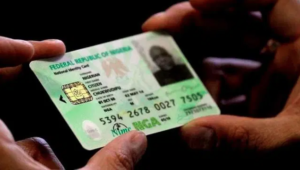
Some African countries go beyond biometric passports and offer additional electronic identity solutions. Ethiopia, for example, issues both biometric passports and electronic national ID cards, reflecting a more comprehensive approach to secure identity management.
Domestic ID card adoption across Africa is remarkably high: 53 out of 55 countries issue national identity cards (with the exceptions being São Tomé and Príncipe and Niger). However, only 19 of these national ID cards include electronic chips, which places Africa behind Europe but roughly on par with Asia in terms of chip-enabled ID penetration. The gap between physical card distribution and biometric chip integration highlights infrastructural and financial challenges as well as differing national priorities.
One notable implementation in the region is Cameroon, which issues biometric ID cards aligned with the latest ICAO standards for portrait-oriented identity documents—a format that Iceland was the first to adopt globally. This demonstrates how some African states are not merely catching up but actively adopting cutting-edge identity document standards.
Regional harmonization efforts also play a role. Member states of the Economic Community of West African States (ECOWAS) issue standardized biometric ID cards intended to support regional mobility, economic integration, and cross-border verification. Although the card designs vary by country, the shared framework enhances interoperability within the bloc and simplifies identity checks for citizens traveling between ECOWAS states.
Another interesting case is Egypt, which stands out not only within Africa but also globally as one of the few countries that issue biometric driver’s licenses—an identity document that many regions have yet to modernize.
Digital identity systems are also gaining traction across Africa. According to the African Union, approximately 85% of countries now operate some form of electronic ID system, marking significant progress in a relatively short timeframe. Still, the continent faces major challenges: many governments continue to rely heavily on paper-based civil registries, manual verification processes, and fragmented administrative databases. While more than 70% of African countries collect biometric data, and a portion—such as Kenya and South Africa—support digital verification mechanisms, most day-to-day identity checks still depend on physical card inspection rather than fully automated or remote verification.
Taken together, Africa’s biometric and digital identity ecosystem reflects a mix of rapid innovation, uneven infrastructure, and ongoing modernization efforts. The continent shows strong momentum, but the extent of biometric integration varies significantly from country to country.
Americas
Biometric ID adoption rate: Low to Middle
Countries in the region: 35
| Type of ID | Number of countries issuing them |
|---|---|
| Biometric passports | 29 |
| Biometric national ID cards | A few countries issue cards with biometric chips |
When examining biometric ID adoption across the Americas, one notable finding is that there are no dramatic differences between North, Central, and South America in terms of electronic identity implementation. What does stand out, however, is the sheer administrative complexity within several of the region’s largest countries — including Argentina, Brazil, Canada, Mexico, and the United States. In these nations, identity documents are typically issued at the state or provincial level rather than centrally. This decentralization means that identity systems can vary widely even within the same country, resulting in diverse formats, different security features, and inconsistent technological adoption across subnational jurisdictions.
Despite such complexities, most countries in the Americas do issue biometric passports that meet ICAO standards. Only a handful remain outside this category, including Cuba, the Dominican Republic, El Salvador, Guatemala, Nicaragua, and Trinidad and Tobago. These exceptions are often related to administrative reforms still in progress, financial or technological constraints, or competing national priorities.
Regional integration efforts also shape identity document design across the Americas. For example:
-
The Central America-4 Border Control Agreement (CA-4) — involving El Salvador, Guatemala, Honduras, and Nicaragua — promotes shared passport and border management principles.
-
The Caribbean Community (CARICOM) supports common design elements within its member states’ passports.
-
The Andean Community of Nations (CAN) — including Bolivia, Colombia, Ecuador, and Peru — encourages standardized passport elements to facilitate mobility and regional cooperation.
Although the impact varies, these regional blocs contribute to a level of visual and structural uniformity in travel documents.
When it comes to domestic biometric identity cards, adoption across the Americas remains relatively low compared to regions like Europe and the Middle East. Still, nearly every country in the region — all except Grenada — issues some form of national identity card. Only a few countries currently embed electronic chips in these IDs, including Argentina, Barbados, Chile, and Uruguay, marking them as early adopters of more secure, chip-enabled national documents.
The region is also beginning to explore digital identity initiatives. A notable example is St. Kitts and Nevis, which has recently launched a national digital transformation program. This includes the issuance of ICAO-compliant biometric ID cards equipped with chips, as well as the introduction of a national digital identity platform expected to go live by 2026.
In North America, mobile and digital identity systems are gaining traction. Several U.S. states now issue mobile driver’s licenses (mDLs) and digital ID cards compatible with verification systems at airports and other secure facilities. Similar mobile ID projects are under development or early deployment in Mexico, Argentina, and Panama, reflecting a growing regional interest in digital-first identity solutions.
Overall, biometric ID adoption in the Americas remains a mix of traditional systems, emerging digital initiatives, and varying levels of modernization. While the region is progressing steadily, its pace is influenced heavily by decentralized governance, diverse economic conditions, and differing national priorities.
Why Biometric ID Integration Matters for Businesses?
Biometric ID documents are no longer a futuristic concept; they have become an essential part of how governments and businesses verify individuals’ identities in today’s increasingly digital and security-conscious world. While the level of adoption varies significantly across regions, the overarching trend is unmistakable: secure, chip-enabled documents are rapidly emerging as the global standard for identity verification. Organizations that fail to adapt risk falling behind in security, compliance, and customer experience.
We are seeing this transformation unfold in real time. Many countries now mandate biometric identity documents for travelers, employees, and residents, aligning with both international security standards and local regulatory requirements. For businesses operating across borders, these mandates mean that compliance is no longer optional—verification systems must be capable of reading and authenticating a wide variety of chip-enabled IDs.
For companies, this requires advanced technological tools. Effective verification of biometric documents often involves:
-
NFC support, to communicate with embedded electronic chips.
-
Optical Character Recognition (OCR), to extract text data accurately from ID documents.
-
Server-side “zero trust” verification, which ensures that information transmitted from third-party devices cannot be tampered with or spoofed.
-
Liveness checks, which confirm that the individual presenting the document is physically present and matches the biometric data on the chip.
These measures are critical for protecting businesses from fraudsters who attempt to bypass identity controls using counterfeit documents or synthetic identities.
The global variation in biometric ID formats adds another layer of complexity. Software must be capable of handling a wide range of document types, chip standards, and security protocols. Accessing the appropriate security certificates is essential to validate each chip properly. In certain regions, such as Latin America, additional integration with government databases is often required to enable trusted biometric matching and ensure the highest level of verification reliability.
The rise of digital identity alternatives further expands the verification landscape. Many businesses now adopt hybrid approaches, combining physical document authentication with biometric checks conducted via mobile devices or remote digital identity platforms. This hybrid verification ensures both flexibility and security, accommodating users who prefer digital-first interactions while still meeting stringent compliance requirements.
At KBY-AI, we proactively monitor these evolving trends and offer one of the most comprehensive ID coverage databases in the industry. Our solutions are designed to support global, regional, and local ID verification needs, helping businesses navigate the increasing complexity of biometric integration while safeguarding their operations against fraud and regulatory risk.
Conclusion
Biometric ID documents have become an indispensable component of modern identity verification, transforming the way governments, businesses, and individuals manage and confirm personal identities. Across the globe, passports, national ID cards, and other secure credentials are increasingly embedded with electronic chips that store fingerprints, facial images, iris scans, and other biometric data. While adoption rates vary significantly by region—from high adoption in Europe and the Middle East to emerging initiatives in Asia, Africa, and the Americas—the trajectory is clear: chip-enabled, secure, and verifiable identity documents are becoming the international standard.